Collaboration
Creative production
The content readiness gap: why finished doesn’t mean ready
Last updated 27 October, 2026
4 mins

Part of a joint series from LucidLink, Overcast, ccktech and AWS on creative workflow readiness
Making content has never been easier.
The combination of cloud production, automation and AI has put creation on fast forward. Teams can work in parallel across cities and time zones, while a flagship asset can be repurposed into dozens of versions for a campaign in no time.
But that creative efficiency hasn’t trickled down the rest of your workflow.
Finished content still sits waiting to be used, stuck behind the type of experience we wouldn’t dream of giving our customers. Teams are blocked by access bottlenecks, unclear versions, missing rights information and handoffs between systems.
This gap between done and usable is wasting a surprising amount of time, money and content value. As output keeps growing, so does the cost of leaving it unresolved.
Finished and ready aren’t the same thing
A video can be shot, edited, approved by the creative team and sitting in the cloud, and still not be ready to use.
The regional team can't find it. The version in the folder isn't the one that got signed off. The rights cover social but not paid. And confirming any of this means downloading a 500 GB file in full, just to check.
Sure, the content already exists. But the elements that make finished content usable are missing. Fast access, a clear version, the right permissions, the context that tells the next person what they're looking at and what they can do with it.
We call that the readiness gap: the distance between content being done and the right person confidently using it, in the right context.
Small delays add up fast
The readiness gap is made up of small, individually forgettable delays.
One team member waits a few minutes for a file, another checks they have the right version and ends up making a new copy. Meanwhile, a rights question stalls a launch.
Together, those delays create file friction: the accumulated drag of moving, copying, re-finding and re-approving content before anyone can use it.
If 10 people each lose 20 minutes to this kind of friction, that’s more than three hours of production capacity gone in a day. Scale that across teams, regions and weeks, and you can no longer ignore the cost.
And when the official route to a file is too slow, people find another one.
New research from Situation Publishing found:
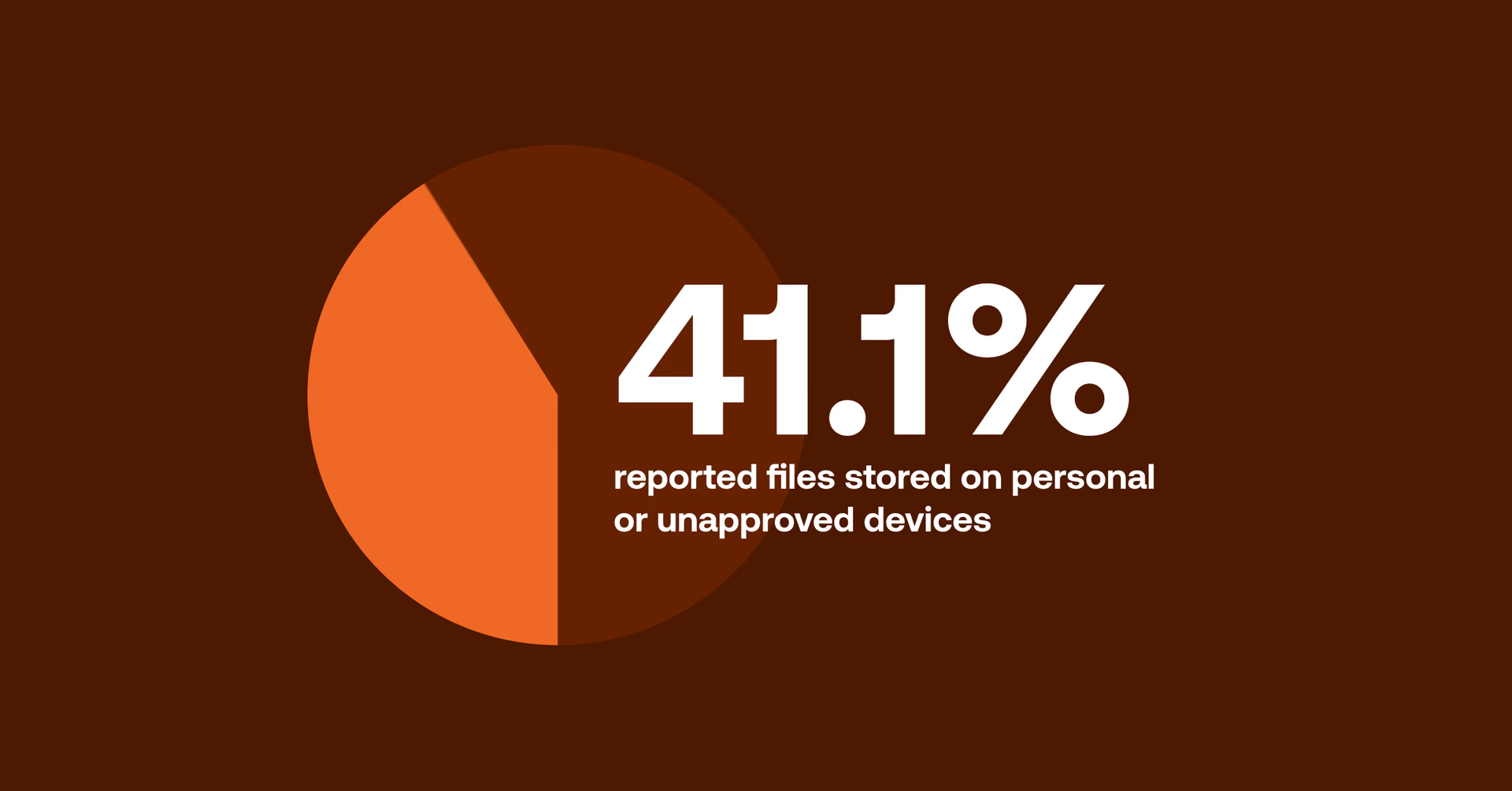
41.1% had seen shadow storage on personal drives or unsanctioned devices
39.4% had seen manual file transfers between sites or partners
34.4% had seen version conflicts or lost edits
What starts as a productivity problem can quickly become a governance and security one too.
File friction lives in the handoff
Most teams already have capable systems in place. Storage, DAM and MAM platforms, review tools and distribution systems each solve a particular part of the workflow.
Friction builds in the handoffs between them, where files get moved, context gets stripped and someone has to reconstruct what the last team already knew.
LucidLink sits in that access layer, helping files move through the workflow without forcing teams into extra downloads, copies or workarounds between systems.

When finding the original takes too long
The same gap has a second cost that's easy to miss: teams recreating something that already exists, because finding and trusting the original is harder than starting over.
Nobody decides to duplicate work. But if checking an existing video means locating the source, downloading hundreds of gigabytes and working out which version is actually approved, recreating the asset can start to feel like the faster option.
You end up paying for the same content twice, and the new version needs its own review, its own storage, its own place in someone's memory the next time this happens.
AI puts more pressure on readiness
AI makes this harder to ignore.
Adobe research shows 71% of marketers expect content demand to grow more than fivefold by 2027.
As content volume climbs, every unresolved readiness problem has more opportunities to repeat. Teams have more versions, derivatives and assets to find, approve, govern and activate, while the operational capacity around them hasn’t necessarily grown at the same rate.
Generating more content only helps if useful outputs can keep moving through the rest of the workflow.
We’ll explore this in more detail in the next post in the series.
Measure workflow readiness before you try to fix it
You can't fix a gap you haven't measured.
The simplest way to start is by following a single piece of content from creation to final use. Ask these questions along the way:
How many times does it get moved or copied?
Where do rights and approvals actually live?
How long does it sit "finished" before it's genuinely usable?
What happens the moment another team, region or channel needs it?
These questions form the basis of the Creative Workflow Readiness Assessment, built by Overcast, LucidLink, ccktech and AWS to help teams see exactly where the readiness gap is costing them time, money and speed to market.
Take the 5-minute Creative Workflow Readiness Assessment today.
Keep reading
In the field
Collaboration
Setting up AI agents for reality capture in AEC
How Diorama.studio used an AI agent connected to LucidLink to organize field data in real time, during a two-week deadline drone survey.
16 September 2026, 6 mins read
Collaboration
In the field
Access over movement: rethinking media infrastructure for distributed teams
Tim Burton from 7fivefive explores why the future of media infrastructure is less about moving data and more about making it accessible where it already lives.
08 September 2026, 6 mins read
Collaboration
Creative production
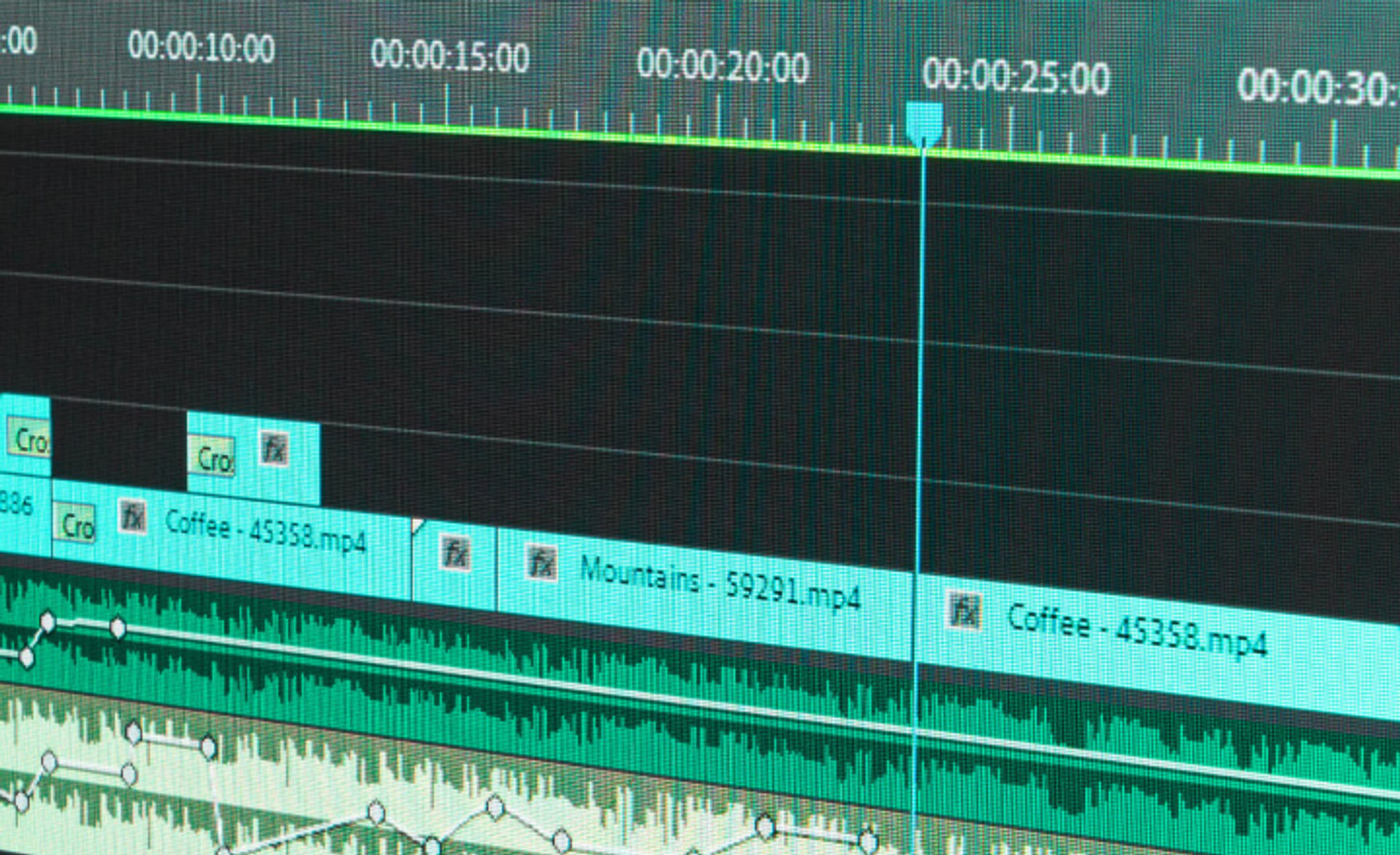
Video editing workflow: a guide for collaborative teams
Discover how to create a collaborative video editing workflow. Get tips on how to turn your editing process into a seamless, team-based experience.
31 August 2026, 14 mins read
Join our newsletter
Get all our latest news and creative tips
Want the details? Read our privacy policy. Not loving our emails?
Unsubscribe anytime or drop us a note at support@lucidlink.com.