Collaboration
Creative production
Content yield: get more from the content you already have
Last updated 18 November, 2026
4 mins
Part of a joint series from LucidLink, Overcast, ccktech and AWS on creative workflow readiness
This series has already explored the readiness gap, the extra pressure AI puts on workflows and the places where creative workflows lose time between handoffs.
Our final piece looks at what all that means commercially.
By the time a piece of content is finished, most of the investment has already happened. What happens next determines how much value you get from that sunk cost, but it’s still the part most organizations spend the least time thinking about.
Finding more value in existing content
Your content’s value can keep growing long after its launch, but only if it’s still usable when someone needs it again.
A campaign film might launch once and then become useful again months later for another market, channel or campaign. Source footage could be reused in a social cut, a regional edit or a completely different piece of content.
But that only works if people can find what already exists, access it quickly and understand whether it is still appropriate to use.
If reusing existing content means searching across systems, downloading large files and chasing somebody to confirm what can legally be reused, you’re never going to get the most out of an asset.
Better yield starts with knowing what you have
How much yield you get from existing content depends less on how much sits in the library, and more on how easy that content is to find, trust and reuse.
Three things make a big difference:
Organization: clearer folder structures, filenames, approval status, rights and ownership reduce the amount of detective work.
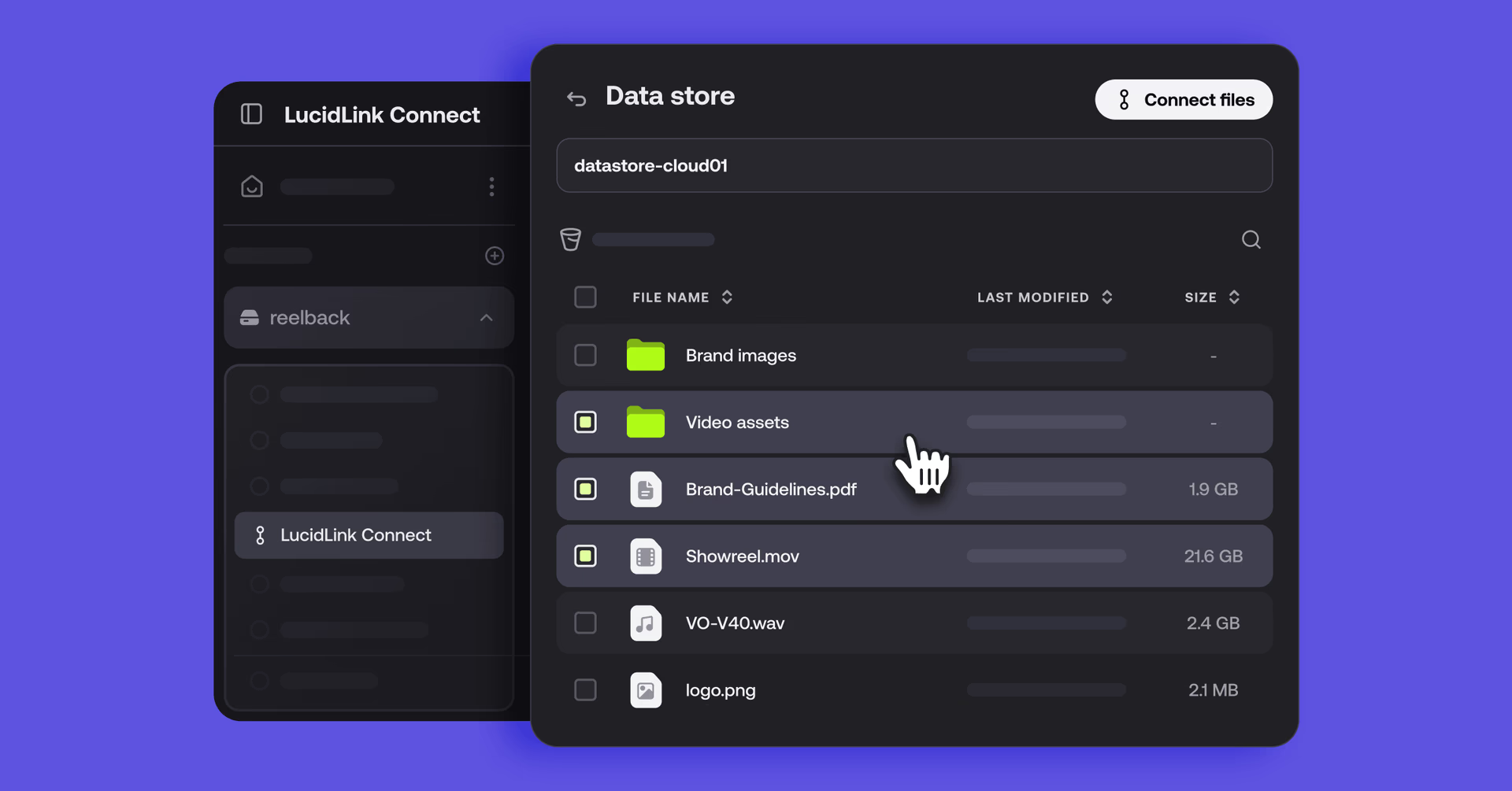
Accessibility: content can be perfectly organized and still be difficult to use if somebody has to move hundreds of gigabytes before work can start. Access layers like LucidLink Connect let teams browse and work with assets from connected storage like S3, Google Drive, Dropbox, SharePoint and other supported platforms without migrating or duplicating the underlying data.
Context: rights restrictions, approval status and other usage information should be visible before someone starts building around an asset.
None of this is particularly glamorous. But it’s the difference between a library where you pay for content that sits getting dusty and one where teams get more value from what you already have.
In practice, getting more value from existing content often depends less on moving it somewhere new and more on making it usable where it already lives. Tim Burton from 7fivefive explores what that looks like for media teams here.

Higher yield doesn’t mean endless reuse
Of course, not every asset should be reused forever.
Some content has a short shelf life. Rights expire, brands evolve and a new brief often needs new creative rather than a rehash of an old piece.
Higher content yield is not about squeezing every last possible derivative out of every asset. But you should know what value is genuinely available and remove the operational friction that stops teams from capturing it.
How much value is sitting in your library?
Creative teams already track production budgets, deadlines and campaign performance.
Far fewer can tell you how much of it gets reused, how long it takes to find something that already exists or how often work is recreated because the original is too difficult to access.
These questions shift the conversation from how much content you store to how much value you can actually get from it.
You might start by asking:
How often is existing content reused instead of recreated?
How long does it take to get an approved asset back into use?
How much content becomes difficult to reuse because rights, status or ownership are unclear?
How much paid-for content sits in the library without a realistic route back into production?
When reuse is possible, how much time and production cost does it avoid?
You don’t need a perfect metric for every one of those questions.
Even following a handful of high-value assets through their full lifecycle can reveal whether you’re getting more from your existing content or repeatedly paying to solve the same problem again.
Take the Creative Workflow Readiness Assessment, built by Overcast, LucidLink, ccktech and AWS, to see where content is losing time and value across your workflow.
Keep reading

Collaboration
Creative production
Best remote video editing software for distributed teams in 2027
Compare the best remote video editing software including editing apps, shared storage, review tools and remote desktop. See which setup fits your team.
13 November 2026, 9 mins read
Collaboration
Creative production
From ingest to delivery: where creative workflows really break
Creative workflows often slow down between tools and teams. See where five common handoffs create friction, lost context and readiness debt.
09 November 2026, 5 mins read
Collaboration
Creative production
The decision bottleneck: when AI output outpaces your workflow
AI can accelerate content creation, but review, approval and access still take time. Learn what to measure when output starts outpacing the workflow.
05 November 2026, 4 mins read
Join our newsletter
Get all our latest news and creative tips
Want the details? Read our privacy policy. Not loving our emails?
Unsubscribe anytime or drop us a note at support@lucidlink.com.