Product & news
Snapshots in LucidLink: restore exactly what you need
Last updated 14 November, 2025
3 mins
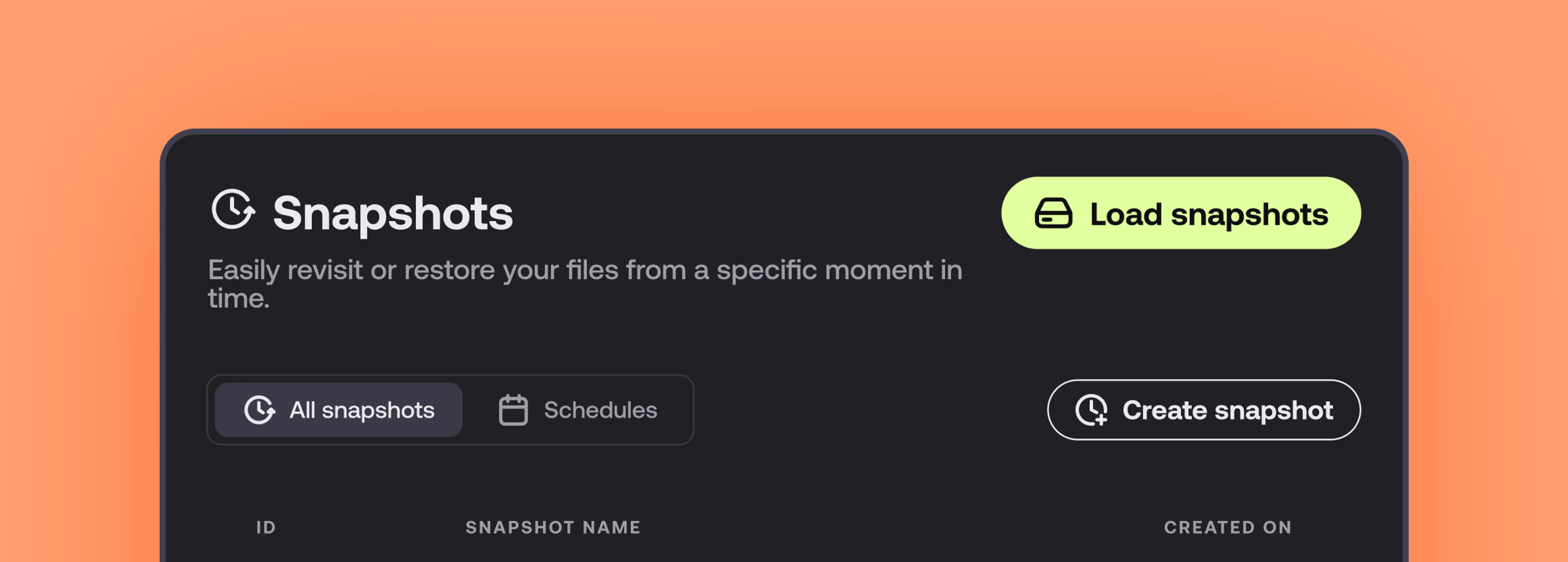
Accidents happen. Files get deleted. Versions get lost.
But with LucidLink snapshots in, it’s not game over: you can easily recover your file.
Whether you’re restoring a single asset or an entire folder, snapshots give you read-only access to earlier versions of your entire filespace.
You can jump back in time, grab exactly what you need and get back to work without missing a beat.
What are snapshots?
LucidLink snapshots capture the full state of your filespace at a specific moment. Think of it as a time machine for your data and a safety net for your team. It lets you:
Restore accidentally deleted or changed files
Review earlier versions of a project
Preserve data for auditing or compliance
Snapshots are automatically enabled for every filespace, so you’re already protected. You can customize how often they’re taken by adjusting the snapshot schedule.
Why it matters
When you’re under pressure to deliver, there’s no time for recovery drama. Snapshots give your team a quick and reliable way to undo mistakes.
This means:
Less stress about losing work
Faster file recovery
Peace of mind for everyone on the team
How to access snapshots (and the data inside)
Accessing your snapshots is simple and everything happens right inside the LucidLink desktop app.
Here’s how:
Open the LucidLink desktop app
Navigate to the filespace you want to explore
From the filespace menu, click Snapshots
You’ll see a list of available snapshots, sorted by time
Click Load Snapshot to mount it as a read-only drive
Browse and copy out any files or folders you need — nothing gets overwritten
Done? Click Unload to remove the snapshot drive
That’s it, no risk and no recovery nightmares.
Real-world use cases
Video editors can retrieve earlier cuts or recover files lost in a bad render
Designs can undo accidental deletions or restore a previous versions of creative assets
Engineers and AEC teams can review or restore project files without disrupting the current live version
Legal and compliance teams can access historical project states for audits or traceability
Pro tip: use snapshots as part of a bigger recovery plan
Snapshots are powerful on their own — but even better when paired with:
File pinning for local access
Folder-level permissions for security
Direct links for sharing
A proper backup strategy for long-term retention
Custom snapshot schedules now available
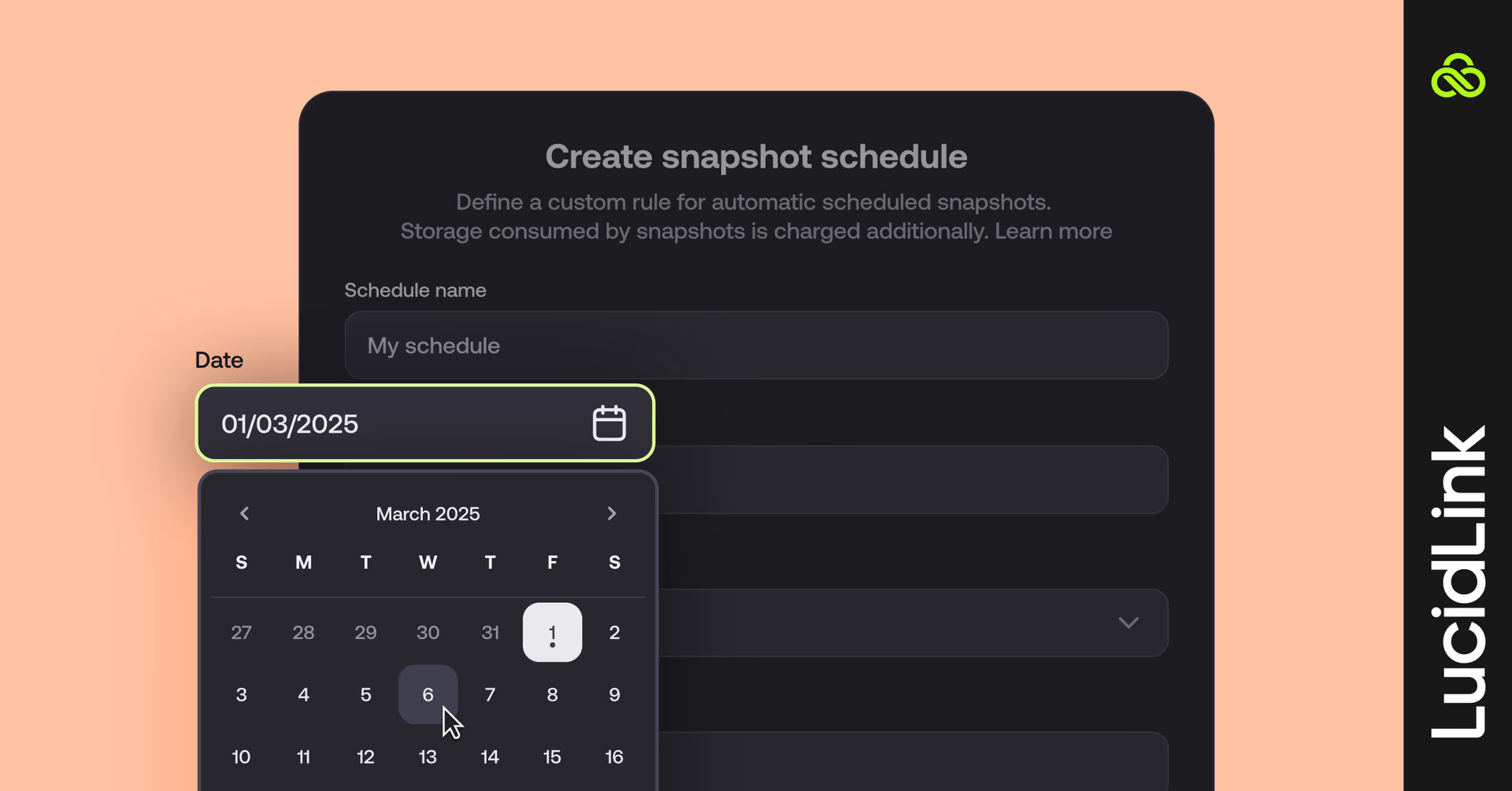
You can now create automatic snapshots with custom intervals and retention rules. Perfect for teams with fast-moving projects, longer compliance requirements or variable workloads.
Set it up in just a few clicks via the LucidLink desktop client or web app.
Getting started with snapshots
Watch snapshots in action. You’ll see how easy it is to recover deleted files or restore a previous version. Whether it’s a slip-up or a version you need to revisit, snapshots have you covered.
View all our snapshot guides:
Explore more LucidLink features:
Any questions? Reach out to support, we’re here to help.
Keep reading
Product & news
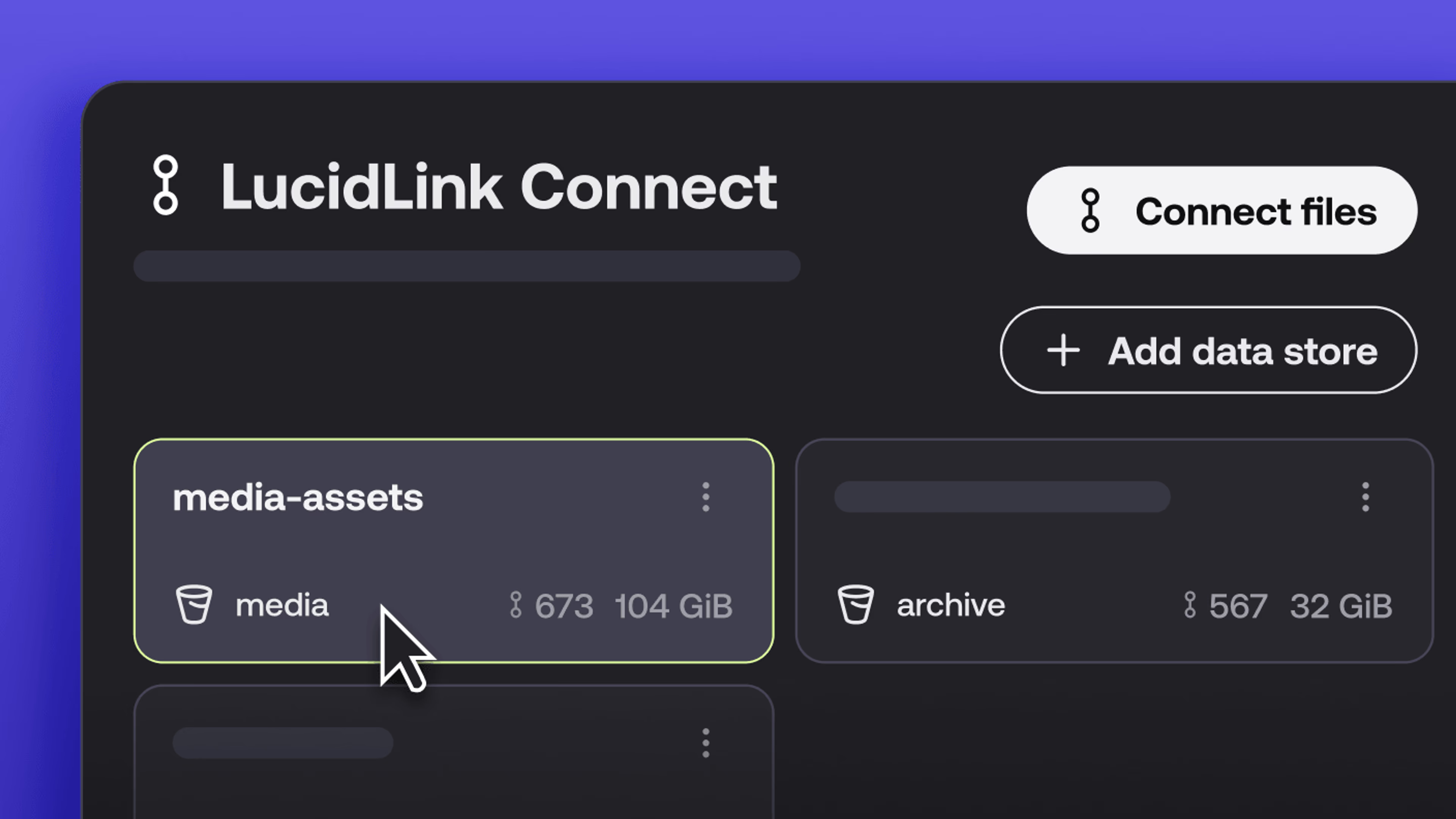
New in LucidLink Connect: simpler storage management
LucidLink Connect makes distributed storage easier to manage, with a new UI for connecting and managing data available through LucidLink.
06 October 2026, 2 mins read

Product & news
LucidLink named Leader in G2's Cloud File Storage report: here’s what customers say
See why LucidLink is a leader and rated #1 for customer satisfaction on G2’s Cloud File Storage report.
03 September 2026, 3 mins read
Product & news
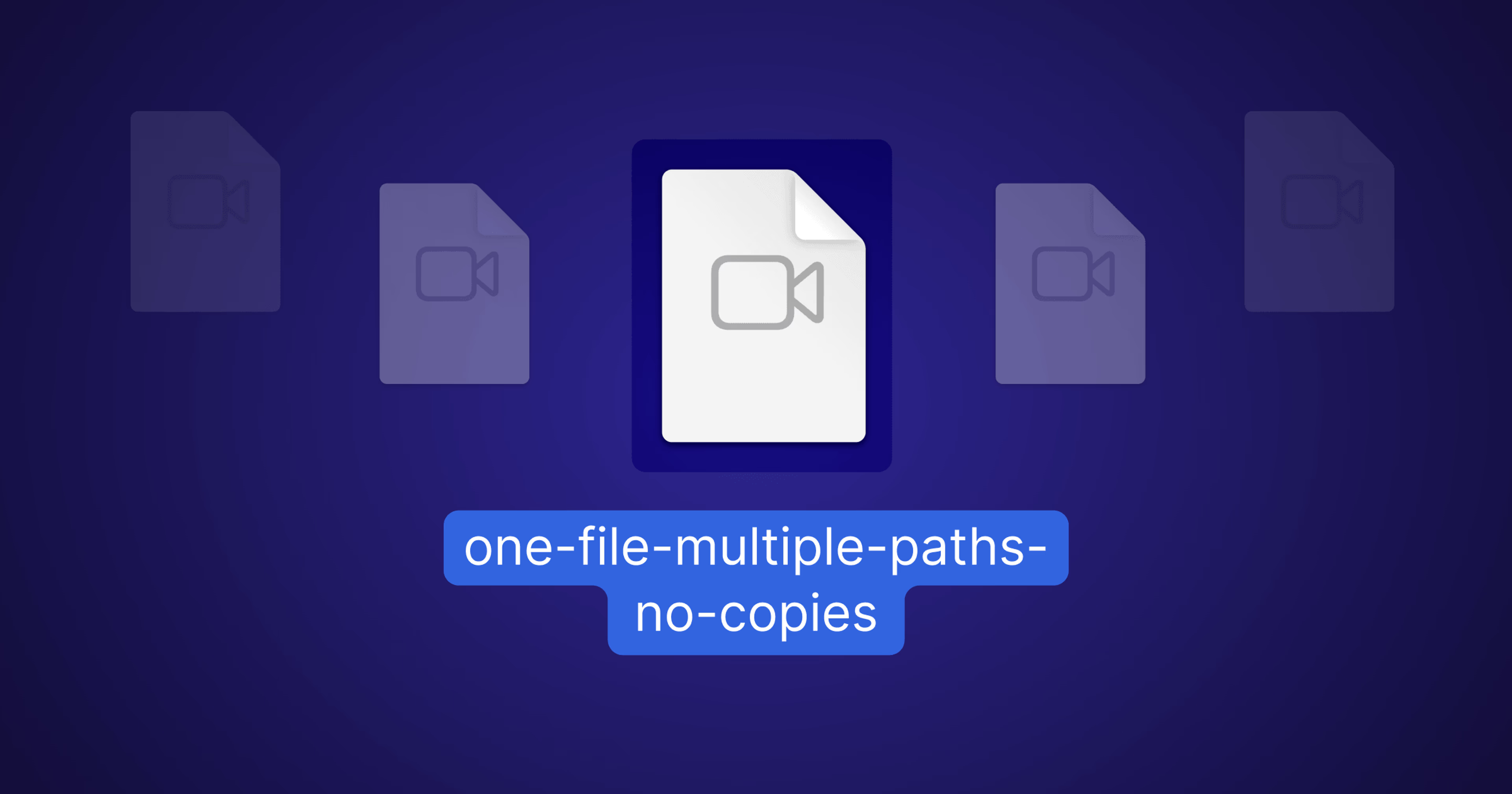
Hard links: one file, multiple paths, no duplication
Hard links let VFX teams reference the same file across multiple paths without duplicating data. Available now at no additional cost.
02 September 2026, 4 mins read
Join our newsletter
Get all our latest news and creative tips
Want the details? Read our privacy policy. Not loving our emails?
Unsubscribe anytime or drop us a note at support@lucidlink.com.